
SEO and SEM synergy - how to combine activities
paid and organic to sell more?
Strategic use of Google Ads and SEO channels, allows you to systematically scale your business. In many cases, Polish e Shops are the ones that generate the most profits in these channels. In the following article, we will present our way to a good "SEMO" strategy that will reduce costs, intensify activities where needed and build a solid foundation for scaling business.

SEO and SEM - what are they and what are the
differences between them?
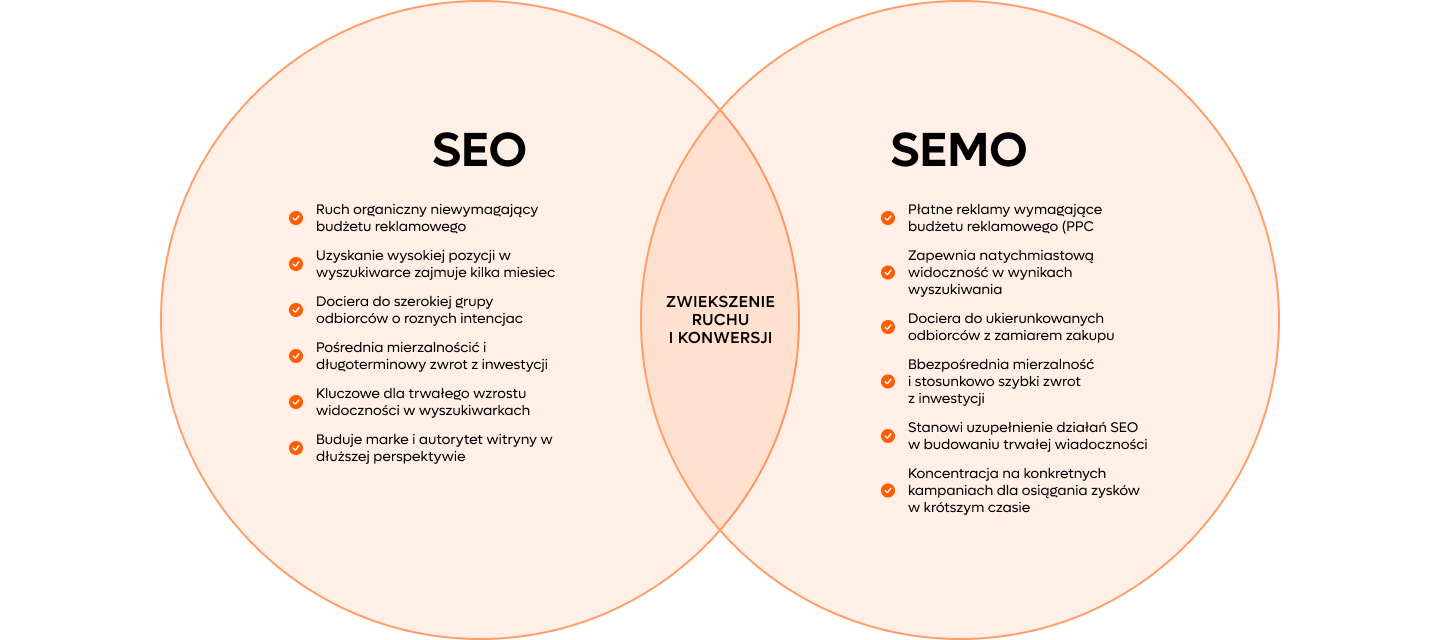
SEO and SEM are two different marketing strategies that aim to improve a site's visibility in search results, which translates into an increase in valuable traffic and increased sales or new leads. While the goal of both activities is the same, they are achieved through different techniques. Let's take a closer look at each of them.
SEO (Search Engine Optimization), or search engine optimization, is the process of improving a website's visibility in organic search results. SEO activities, interchangeably referred to as SEO, include optimizing content for valuable phrases and improving the structure and technical aspects of a site to make it more user-friendly and better understood by search engine algorithms.
SEM (Search Engine Marketing), or search engine marketing, on the other hand, is a form of promotion that also aims to increase a site's visibility, but through paid advertising. In a nutshell, paid results are the responsibility of running Google Ads campaigns, which allow sponsored results to be displayed on a search engine. SEM allows you to reach audiences actively searching for specific products or services.
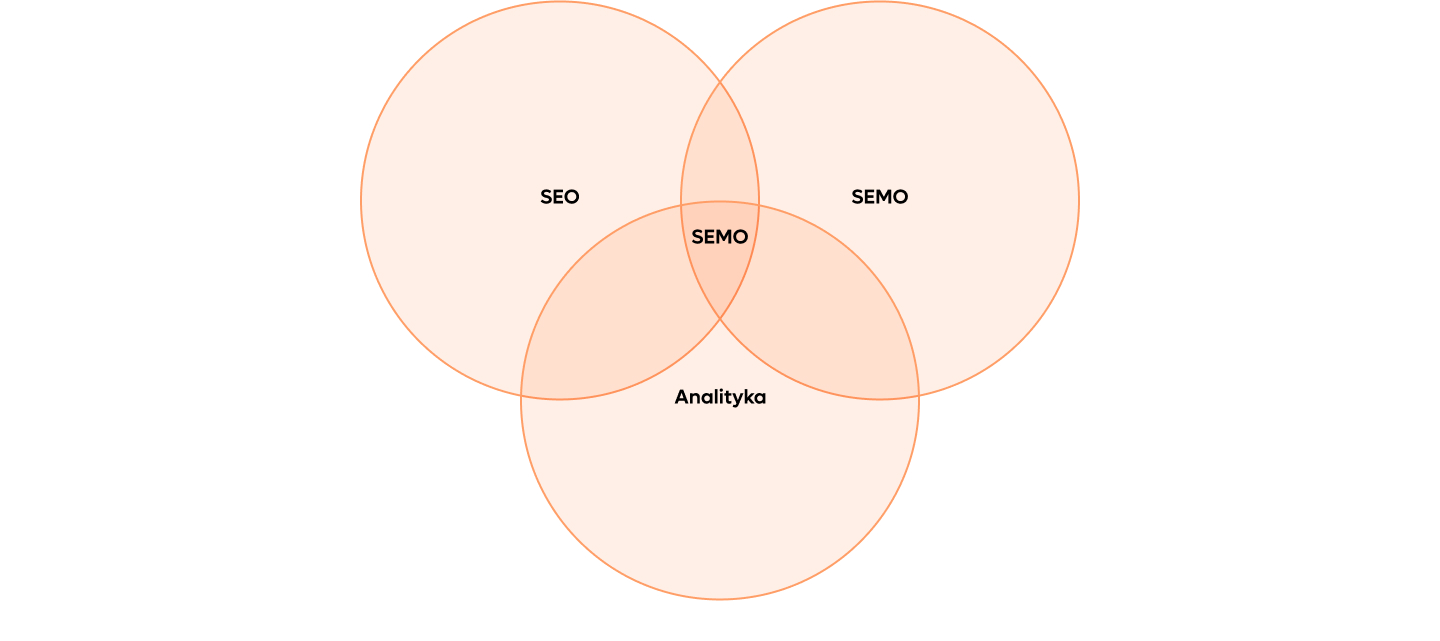
It is worth knowing that SEO and SEM activities are excellent complements to each other. Their integration comprehensively supports sales, enabling coverage of phrases with the highest conversion potential in both paid and organic results. SEM provides immediate visibility, while SEO builds long-term brand recognition. Combining these strategies allows you to reach a wide audience at different stages of the purchase path, maximizing campaign effectiveness and increasing sales.
Read about how the synergy of SEO and SEM increased Eco Factory's sales by 170%.
A strategy based on consistent
keywords
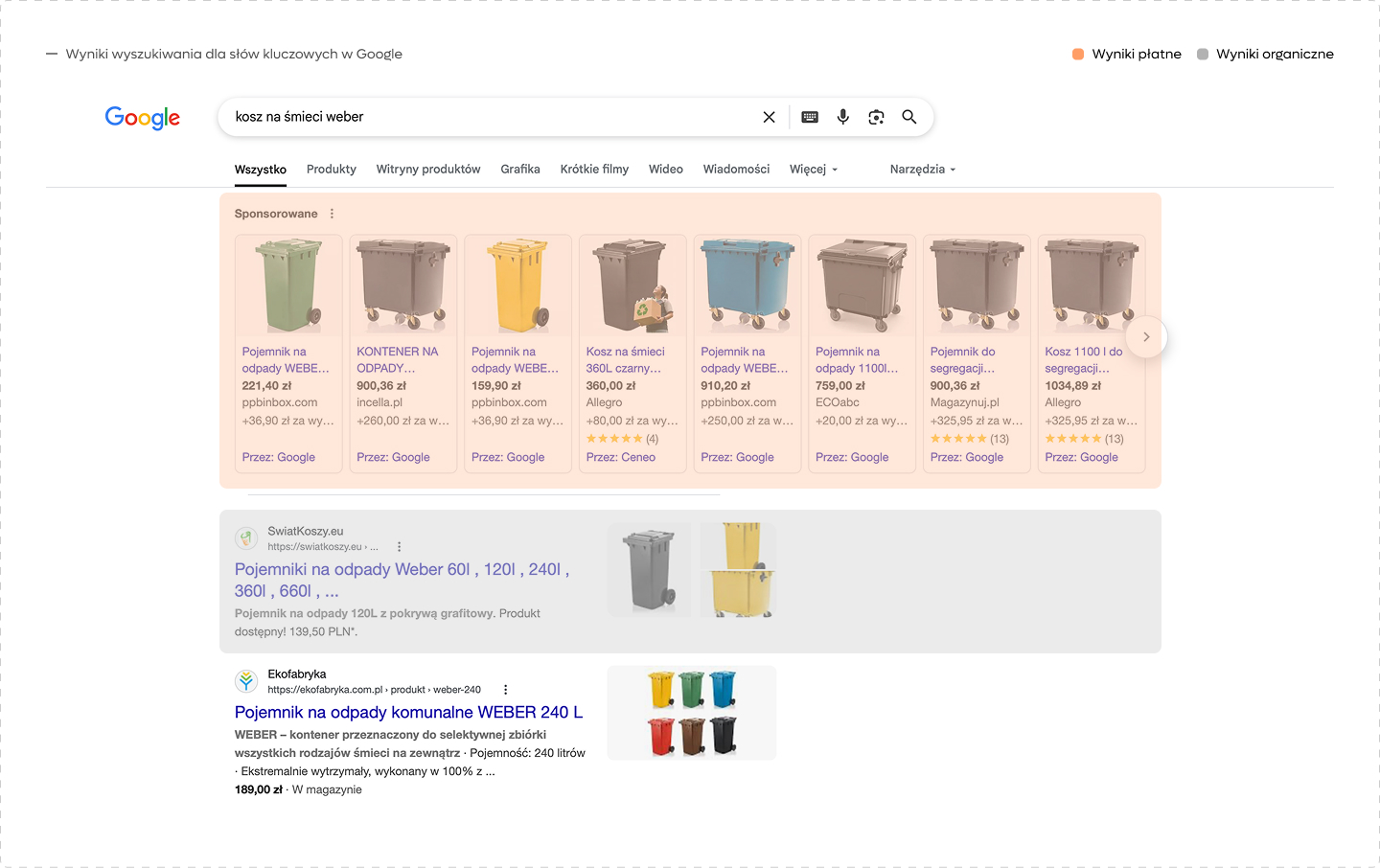
Determining phrases with high potential to convert and then draping results on a given query in Google Ads and SEO increases the reach to potential customers. Conscious selection of keywords with the highest potential for SEO and SEM ensures comprehensive coverage of user intent across both channels that reach it, thereby increasing brand visibility in the SERPs, generating valuable traffic to the site and finally increasing the number of transactions.
An effective marketing strategy should be based on a thoughtful selection of keywords to synergize both SEO and SEM efforts. This approach allows you to reach a wide audience through paid traffic (ads) and organic traffic (natural search results).
For best results, it's a good idea to regularly analyze keywords and identify phrases with the highest conversion potential, i.e. those that are most likely to drive users to take the desired action (e.g. purchase, registration). You can get valuable insights by analyzing data from paid campaigns - this is where you observe which phrases and ad texts bring the best results. Then, using the knowledge gleaned from paid campaigns, we can focus SEO efforts precisely on these phrases, creating valuable content on the site.
The selected keywords should then be used in the content on the website (SEO Copywriting). Engaging and valuable content that includes the desired phrases captures the audience's attention and encourages them to interact with the brand.
Consistent presence of key keywords in both paid ads and organic search results increases a brand's reach and allows it to reach potential customers at different stages of the buying process. This gives the brand comprehensive search engine coverage and allows it to respond more effectively to user intent.
Thoughtful selection of keywords with the greatest potential and consistent application of them in SEO and SEM activities translates into increased brand visibility in search results. This, in turn, generates valuable traffic to the site, which ultimately leads to an increase in the number of transactions and achievement of business goals.
Tasks:
- Conduct a keyword analysis relevant to your industry using
Google Keyword Planner or Google Search Console, for example. - Choose keywords with the highest conversion potential and highest
consistency with the intentions of your potential customers. - Optimize on-page content (category/product descriptions) and ad content for
phrases with the highest potential to convert.
Technical optimization of the landing page
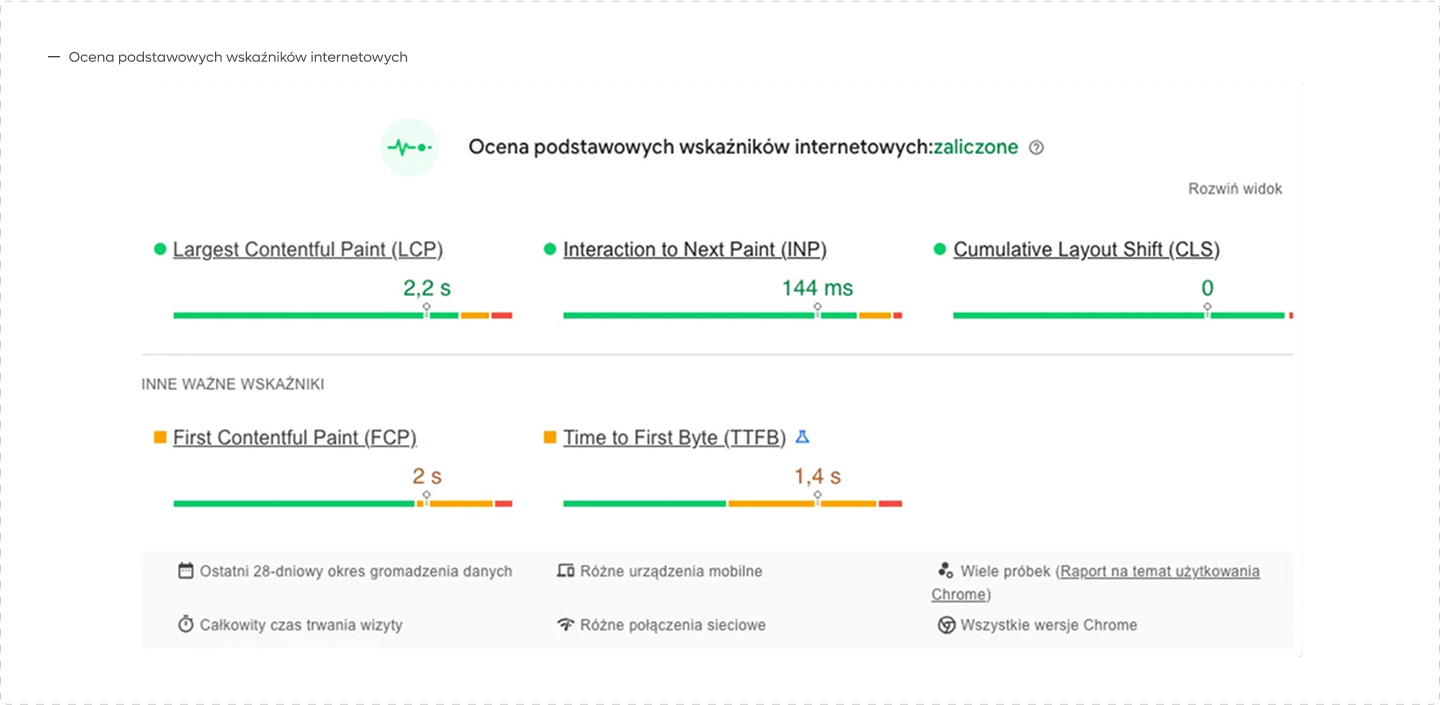
Technical optimization of a landing page is key to achieving synergy between SEO and SEM. A well-optimized landing page attracts valuable organic traffic while increasing the effectiveness of paid campaigns. Optimization efforts translate into better rankings in organic search results, increased quality score in ads, higher conversion rate and overall improved marketing performance. Regular data-driven analysis and adjustment of the landing page allows for maximum effectiveness from both channels.
Tasks:
- Optimize the structure and content of the site and ads for valuable keywords.
- Ensure correct URL structure and engaging headings, meta descriptions
and content with the right keyword density - Improve page loading speed, navigation and overall user experience (UX).
Remarketing as part of the user path
Remarketing allows you to retarget users who came to your site from both paid and organic results, but in the end did not take the desired action - did not make a purchase. With personalized display, text or product ads in Google Ads, users are encouraged to return to the site and complete the transaction. The use of remarketing makes it possible to "close" the user's path and lead them to complete the purchase.
Tasks:
- Create remarketing lists based on specific user actions on the site,
such as products viewed or abandoned shopping carts. - Display personalized remarketing ads, encouraging users to
to return and make conversions. - Monitor the effectiveness of remarketing campaigns and adjust your strategy based on the results.
Sharing lessons learned between
SEO and SEM teams
Regular meetings of SEO and SEM teams, joint analysis of reports and discussion of conclusions allow to identify areas for improvement and develop a coherent action strategy. Sharing information allows optimizing advertising budgets, strengthening synergies between channels and achieving better results in marketing efforts. When a phrase brings good results in SEM, the SEO team should also focus its activities around it, leading to synergies between these activities and strengthening of both strategies.
Data from SEM campaigns, such as the best converting keywords and the most effective text ads, is a valuable source of information for SEO optimization. Analyzing these elements allows you to draw conclusions that can help improve the CTR% (Click-Through Rate) in organic results. Using this knowledge allows you to optimize page titles and meta descriptions, adjust content structure and create more engaging headlines, resulting in better visibility and higher click-through rates in organic search results.
Findings from SEO analysis, such as search trends, popular phrases or user behavior, can be used to target SEM campaigns. This data facilitates the creation of test scenarios and shows trends that can be used in targeting PPC ads.
The above findings also support responding in PPC campaigns to competitors' actions in terms of phrase selection or communication.

Przemysław Przybylski - CEO of Semguru
Semguru founder and strategist with 15+ years of experience in digital marketing. Drives the company's growth and sets direction for the entire teamDiscover more on our blog

How to Measure SEO Results? Rankings and Traffic Aren't Enough—What Matters Are Sales and Profitability
October 12, 2026The year 2026 is forcing a shift in the approach to evaluating marketing efforts. Marketing directors are moving away from simply tracking search engine rankings and toward analyzing the actual impact of organic traffic on company revenue.
Read More
How to Choose an SEO Agency? 10 Questions to Ask Before Signing a Contract
October 5, 2026Today's market demands precise business decisions. The right SEO agency determines your company's online visibility. Understanding the current realities helps you avoid financial losses.
Read More
Is Your Company Wasting Its Marketing Budget? 8 Signs That SEO and Google Ads Are Working in Isolation Instead of Together
September 28, 2026A lack of collaboration between marketing departments results in huge financial losses. Your company is missing out on opportunities to dominate search results.
Read More
How to Prepare Your Online Store for Black Friday 2026
September 14, 2026An early start determines November sales figures. The competition isn't waiting until fall.
Read More
How much does website SEO cost in 2026, and what factors determine the price of SEO?
September 7, 2026Marketing budgets have undergone drastic changes this year due to new technological realities. Understanding these mechanisms allows companies to plan their spending in a way that protects them from losing visibility.
Read More
SEO or Google Ads in 2026: Which Will Boost E-Commerce Sales Faster?
August 31, 2026The year 2026 brings a new reality for marketing directors managing online stores. Decisions regarding budget allocation require a thorough understanding of the specific characteristics of both traffic acquisition channels.
Read More